My Family Has Spent 30 Years Trapped in Bureaucratic Purgatory
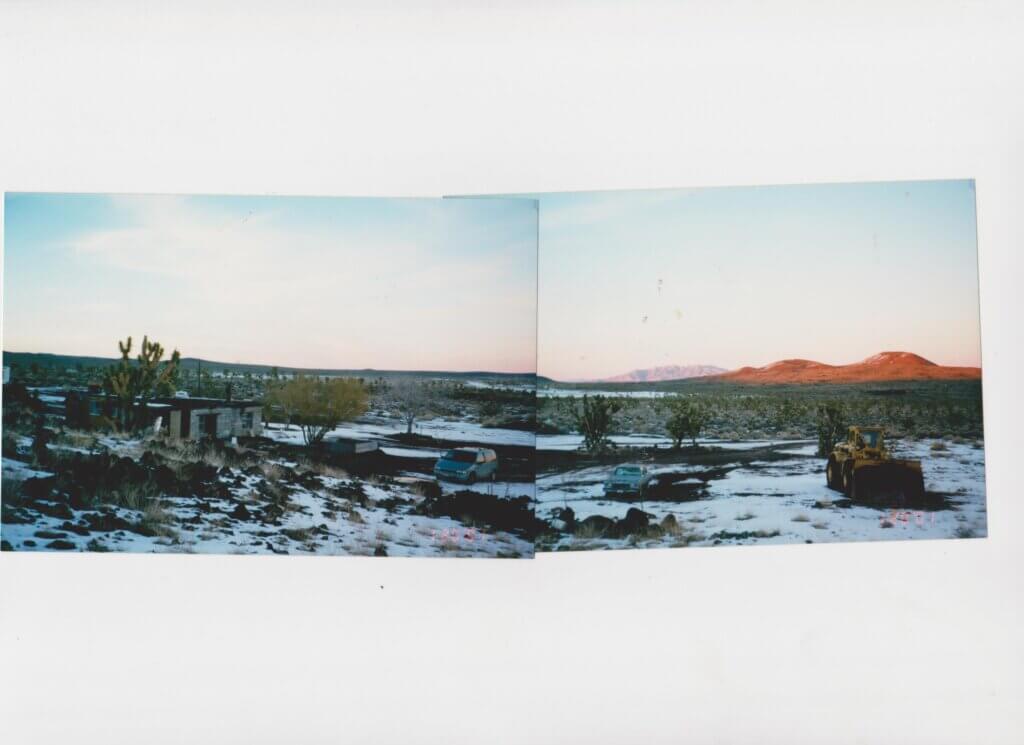
Imagine you and your family were leasing a home for many years—a home where you raised your children, a place where you all felt safe and loved. This was a home where you created many fond family memories, and everything was good. You had a signed, long-term legal contract, and every month you paid your rent on time.
Then one day, the landlord knocked on the door and said you and your family had to leave your home and be gone within 36 hours!
How would you feel? What would you do?

This is the story of what happened to my family. But the “landlord” who took it away from us wasn’t an unscrupulous individual that we could fight through conventional means. It was a massive, faceless, unaccountable government bureaucracy, the Bureau of Land Management (BLM). We’ve been fighting the BLM for nearly 30 years over a decision of grave importance to a family-owned mining business we have in California’s Mojave National Preserve.
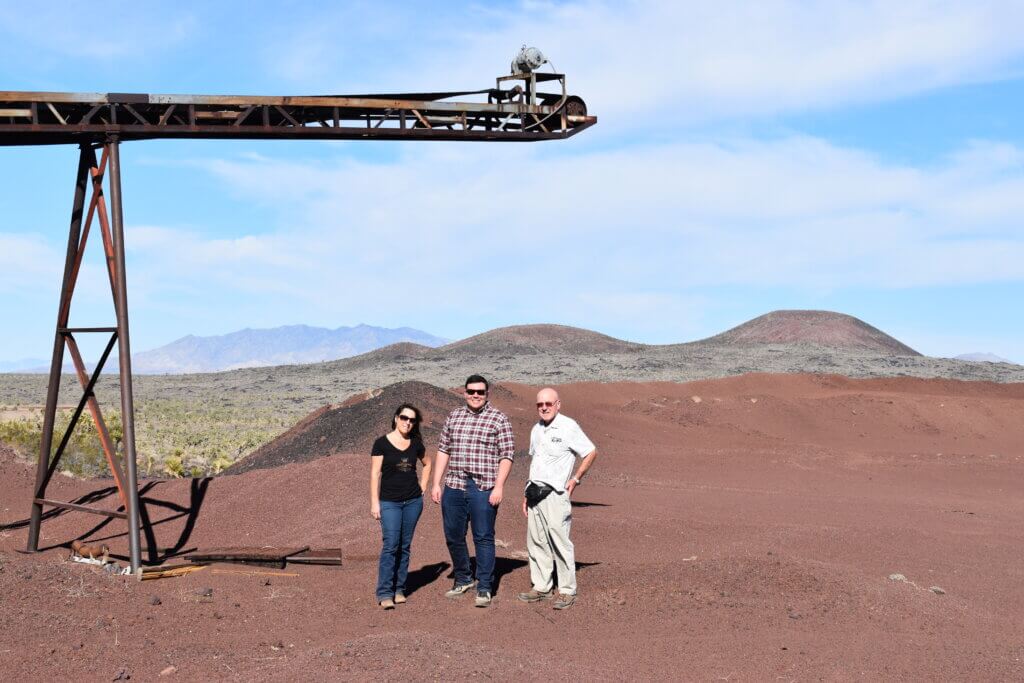
Our story began in 1948 when my grandfather claimed the Cima Cinder Mine, out in the Mojave Desert between Baker and Primm. He and his wife and their children lived and worked there. My grandpa, Emerson Ray, and his wife, my grandma, Fay Ray, their young children, and other supportive friends and relatives built their desert home with their own hands. It was a home filled with sweet smells of homemade bread and baked beans. If you were a fly on the wall, you would hear singing, children giggling, shrieking, and dogs barking in the happy reverie of family life.
They worked hard bringing business to the fledgling desert community. Discovery, opportunity, and hard work were the order of the day. The necessary equipment was acquired to get the job done. The proper paperwork, claims fees, and other documentation were filed with appropriate authorities.
The future looked bright for the Cima Cinder Mine. The American Dream was alive and well!
Trouble on the Horizon
The dream began to hit roadblocks in 1991 when our family applied for a patent on the mine with BLM. Getting a patent would mean that, after having worked the claims and paid fees on it for almost four decades, we would finally own the land.
Many changes were happening in and around the area at the time, culminating in the 1994 creation of the Mojave National Park as part of the California Desert Protection Act. This put many area mines out of business. But the Cima Cinder Mine was one of the oldest working mines in the area, and it was grandfathered in, or so the theory went.
Traditionally, the full patent comes in two halves. When both halves are approved, the final patent is granted. The BLM approved the first half in 1992. After the first half was approved, my family sought to get the second half approved. We waited . . . and waited . . . and waited as the BLM declined to act, leaving my family trapped in a hellish bureaucratic purgatory.
Then, on August 10, 1999, while the patent application was still pending with the BLM, the National Park Service abruptly shut down the mine, ordering our family to immediately leave the home and business we had built over many years. We felt deceived. All those years of hard work, the mine, and our beloved home were taken away. There was no due process for us.
“With the stroke of a pen, the American Dream was gone.”
With the stroke of a pen, the American Dream was gone. If the BLM had granted the second half of the patent, the park service could not have made my family leave our home and business. If the BLM had rejected the patent, the family could have appealed, forcing the agency to provide a legal rationale. But by simply doing nothing and making the family wait, officials paved the way for the government to shut down the operation of the mine and force my family to leave!
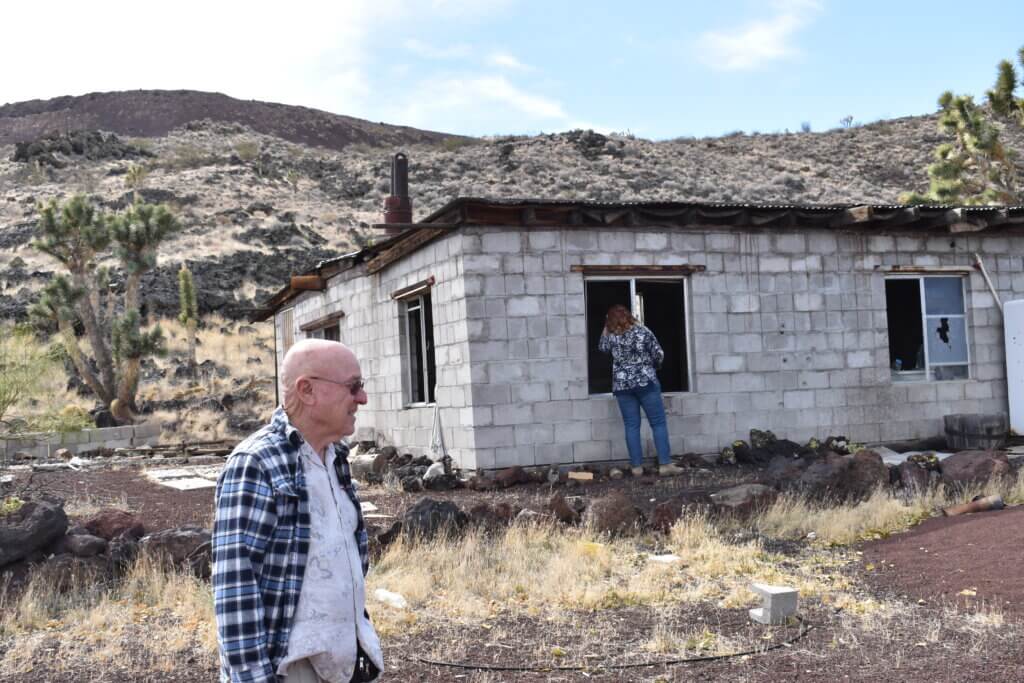
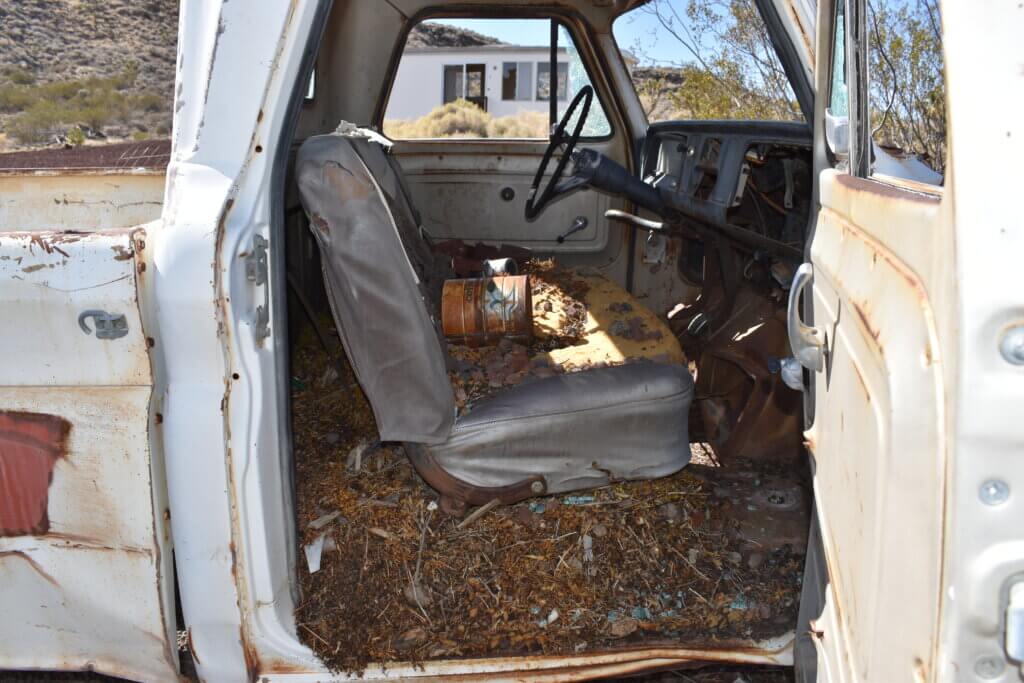
Since the mine closed, the house still stands, but rats, spiders, and snakes have moved in. Vandals have gone into the house with their spray paint and marked up the walls. The windows of the house have been shot out, and the once loving family home lies in ruins. The mining equipment that once helped provide the cinders for cinderblock sits rusting and rotting in the desert like the carcass of a large dinosaur. It makes me wonder if this neglect is what the National Park Service had in mind when they forced us to leave.
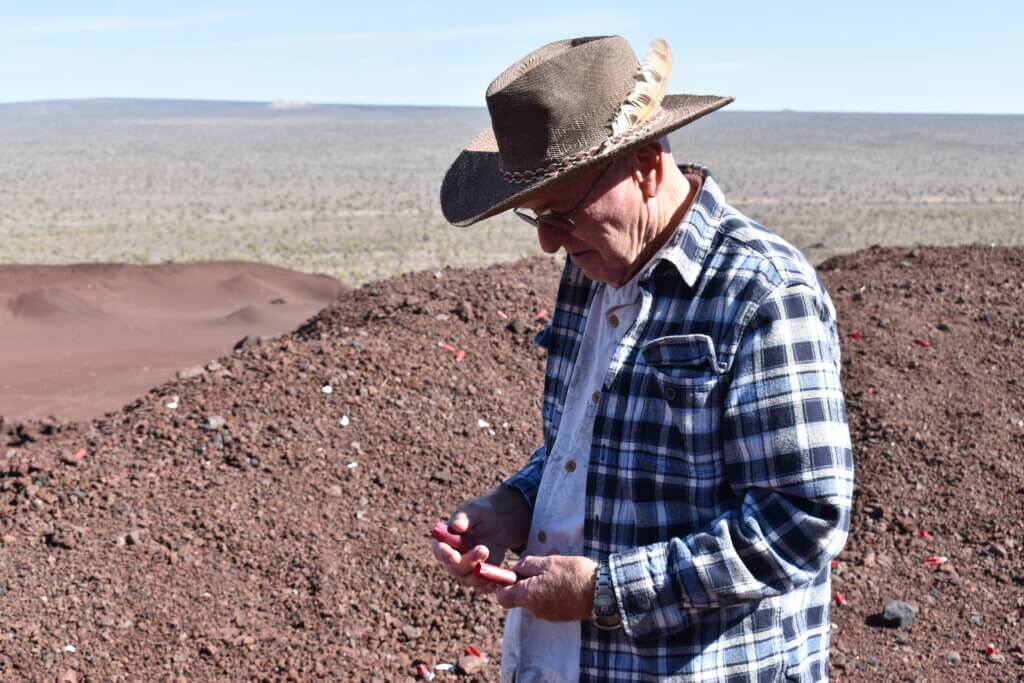
Refusing to Give Up… Or Give In
Many would think that my family would just throw in the towel and fade away, which is what most people do when confronting the insurmountable force a federal agency can wield. Instead, we fought on. With the help of the Mountain States Legal Foundation, we finally—in 2020—forced the BLM to answer the 1992 request for the second half of the patent!
What response did we receive after decades of waiting? The BLM came back with a mostly “no,” but a partial “yes,” in typically inscrutable fashion. They rejected most of the acreage for which a patent was sought. But they granted a patent on
a small sliver of acreage, which the agency must have known was insufficient to reopen the mine. Even so, the grant of a partial patent is at least a decision, and a decision opens up an opportunity for appeal, raising the possibility that justice and fairness might still prevail.
MSLF has challenged the BLM’s wrongful drawing of mine boundaries, noting the agency’s misrepresentation of the law and complete failure to consider basic facts that are vital to an accurate understanding of the situation. The government’s long-delayed decision was irrational, capricious, and in violation of the Administrative Procedure Act. MSLF wants the agency to go back to the drawing board and come back with a more carefully considered decision on the patent application, considering facts it ignored the first go-round.
“That’s the least the Rays are owed after the prolonged indifference and disdain the government showed towards the Rays,” says MSLF’s lead attorney on the case, David McDonald, who’s been fighting for justice for our family. “The Rays waited for nearly three decades to get an answer from the BLM on their patent application, and now that we’ve finally forced the government to respond, it gave them a slap in the face,” David adds. “By filing this complaint, we’re making a statement that not even the federal government can get away with treating people this way.”

Standing on Principle
Why should my family’s story resonate with other Americans?
The first reason is that politicians come and go, but government bureaucracy lives on. Every citizen has a right to due process under the law. If we do not have due process, we are at risk of becoming a nation of chaos.
The second is that any of us can become the victims of bureaucratic misconduct. We know, and Mountain States Legal Foundation knows, if it happens to one family, it can and does happen to others.
My family’s story reminds us that, in spite of the time, energy, and resolve that it takes, we need to keep fighting for our rights!
Robin Ray lives in Southern California. She and her family continue to fight for their property, thanks to the legal assistance made possible by MSLF supporters.
