When I moved with my wife to her hometown a little under an hour from St. Louis, Missouri, it was to our first home together. For six years in Colorado, due to the astronomical real-estate prices of the Front Range, we were more or less forced to rent long term.
Renting is a form of ownership and use. This idea is not new, and it is a crucially important development in the common law tradition America inherited from England. It is a vital component to the daily life of ranchers and energy producers in this country. For us here at Mountain States, that makes it one of our most important areas of work.
The interests in property are fundamentally the powers and authorities to use and dispose of something as you see fit, so long as you don’t hurt anyone in the process. This is the essence of ownership: all property rights are manifestations of ownership.
Renting as Limited Ownership
But how that ownership is executed and structured can be different. Younger Stanton renting his apartment in Colorado owned his apartment—but so did the landlord from whom I rented. One of the brilliant developments of common law is the subdivision of property rights into different elements.
The landlord owns the deed to the property—we could call this the “super” right, if you will. I, however, as the renter, owned the lease. That is, I had a valid interest in the apartment because I paid for it in agreement with the landlord himself.
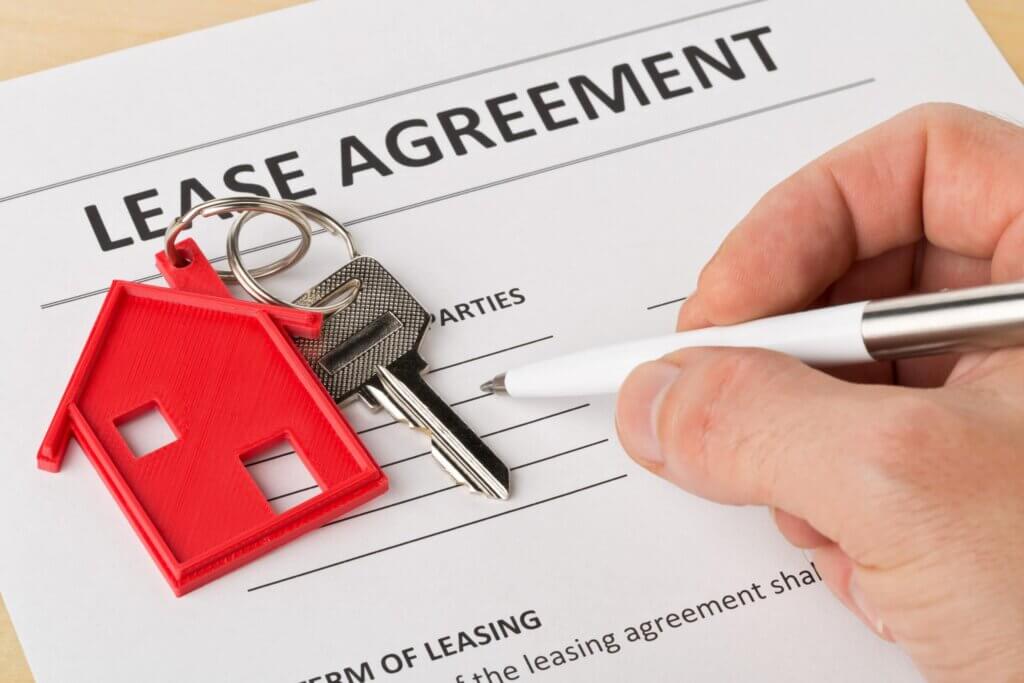
It is because the landlord decided to write up a leasing contract and sell that lease interest to me that I then had a claim to the property. So long as I complied with the conditions of the contract, the landlord couldn’t kick me out of my apartment. We each had valid yet separate ownership interests in the same piece of property.
Of course, after the year is up, a landlord is free to raise prices, change conditions, or even say, “Listen, I want to use this space for something else, so you’ll need to find a new place to stay.” Totally within his right—he, after all, has the “super right” through the deed, far more permanent than my lease. Indeed, the landlord’s ownership interests were superior to mine, especially in regard to damage. I could not significantly alter or destroy the property without his consent, because that is an aspect of the property I did not own.
Federal Public Lands
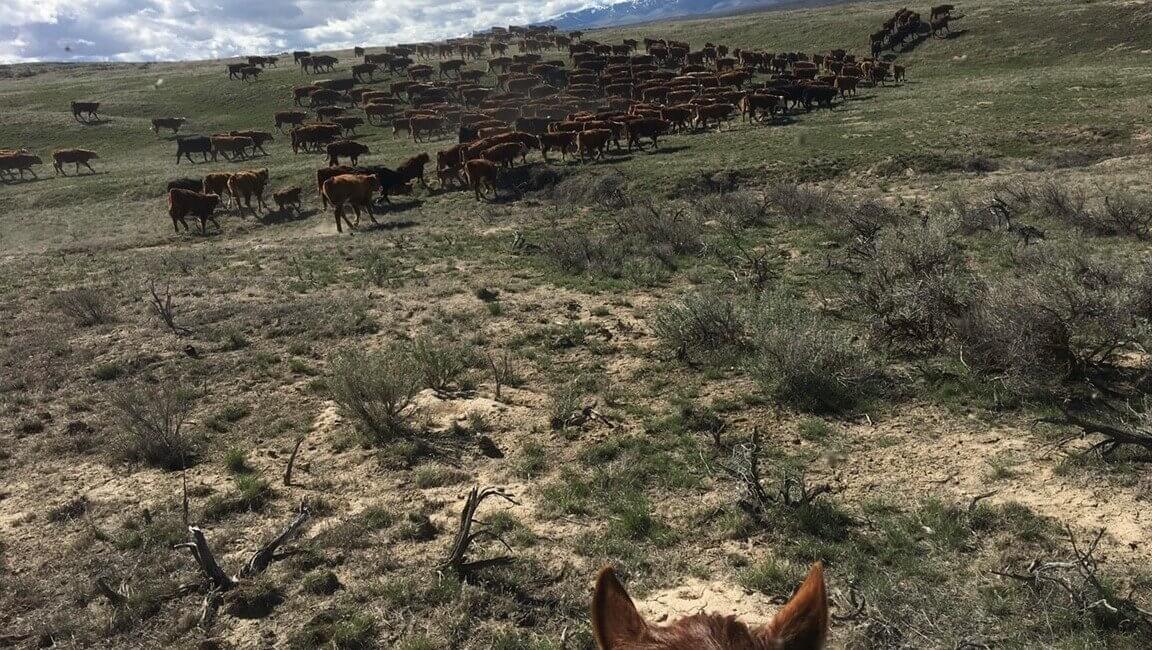
This is fundamentally how it works with federal public lands. The federal government controls vast expanses of land (primarily in the western states), and sells permits and leases to various interested parties. The sale of such leases can be very complicated—one can devote their whole career to this area of law and still have things to learn. In general, however, Congress establishes the parameters for leasing and permitting, and then federal agencies like the Bureau of Land Management (BLM) fill in the details in compliance with the law.
Where Mountain States gets involved is when the federal government tries to unilaterally change the terms of permitting and leasing, and when they try to fiddle with the rules so they can get out of having to actually comply with Congressional mandates. This happens far more often than people think. In fact, there is a new proposed rule coming down the pipeline that can spell trouble for a lot of hardworking folks.
Multiple Use Mandate
The BLM has a proposed land use rule that perfectly demonstrates regulatory circumvention of Congress. Part of the US government’s long-standing land management policy is the “multiple use mandate.” We’ve chatted about it before here at Mountain States, but the bottom line is simple: public lands are for public use. That means the American people should be able to actually make use of the land we own. This is not just about recreation or conservation. Among other things, this includes ranching, industrial development, mining, and prospecting. Agencies are supposed to create rules—including those surrounding permitting and leasing—in compliance with the multiple use mandate.

For decades, advocates for a bigger, more intrusive, and heavy-handed administrative state have used the court system to try and suppress the mandate’s effectiveness. Having weaponized noble-intended laws like the Endangered Species Act or the Clean Water Act, they have fought tooth and nail to prevent any use of public lands. They’ve had some success, but on the whole, the multiple use mandate is the law.
The Conservation Lease
The new proposed land use rule, however, is a clever trick The proposed rule would create a new type of lease—the conservation lease.

The concept is straightforward enough—the BLM will now sell leases on federal lands for privately-driven conservation. Just like an oil company buys a lease to drill, a conservation organization would buy a lease to conserve. For a free market thinker like myself, this doesn’t sound too bad on paper. After all, if we capitalists believe in the mantra of “put your money where your mouth is,” it makes perfect sense to require people who want to prevent any use of federal lands to put up or shut up when it comes to their values (instead of using taxpayers’ dollars to do their dirty work).
But here’s the nasty fine print: the proposed rule is written in such a way that regulators could actually prioritize conservation leases over grazing permits and development leases. The BLM could say, “We’ve looked at everything, and we feel it is best that no grazing or drilling happen here ever again, so we’re going to sell only to conservation groups from now on.”
This is a huge problem. As we have seen time and again with agencies like the BLM, the actual implementation of the rule is almost certainly bound to be heavily biased against ranchers who have worked the land for over a hundred years, and against producers who provide much needed resources for our communities.
Mountain States at the Ready
MSLF attorney David McDonald and energy and environment litigation leader Ivan London are preparing an official comment against the rule. We’re still a bit out before the rule comes to its final form and is put in place, but we hope for the best. The current corrosive language has to be changed, and the BLM’s attitude toward ranchers and producers needs a serious adjustment.
You can expect us to keep our ears close to the ground on this one. Whatever happens with the final language, you can be sure we’ll be ready.