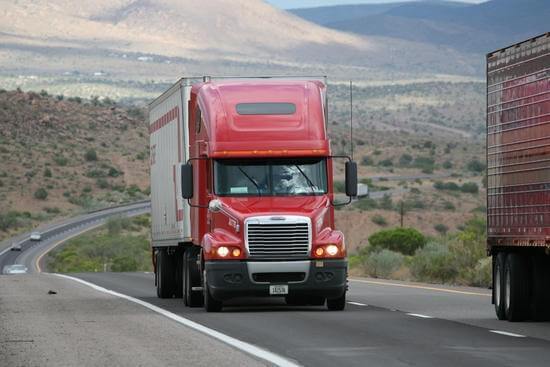
Imagine you’re running a small business that depends on reliable and affordable transportation. Your trucks are the backbone of your operations, hauling vital products across America’s highways, keeping store shelves stocked, and supporting communities. Now, picture federal regulators stepping in and deciding that your diesel trucks—the workhorses of your business—don’t meet their standards anymore. They’re mandating a switch to electric trucks, which are not only two to three times more expensive but also carry less, can’t run as long without refueling, and refueling takes hours. For many small businesses, this isn’t just inconvenient; it could be the end of the road.
That’s what the Environmental Protection Agency (EPA) is trying to push through, and that’s why the National Association of Wholesaler-Distributors (NAW) and Mountain States Legal Foundation (MSLF) are taking a stand.
The big question here is this: Does the EPA have the power to reshape an entire industry without clear, direct approval from Congress? The EPA seems to think so. Through its twisted interpretation of the Clean Air Act, the EPA is introducing strict new emission standards for heavy-duty vehicles, requiring the unprecedented replacement of diesel engines with electric alternatives. It’s a massive expansion of the EPA’s reach based on a vague statute, raising serious concerns about how much authority federal agencies actually have.
The Clean Air Act allows the EPA to set standards to protect public health, but it has typically done this by encouraging steady improvements, pollution controls on smokestacks, and things of that nature—not by attempting a wholesale replacement of diesel engines with electric ones across multiple industries. This shift isn’t just an environmental decision; it’s an economic upheaval that will devastate thousands of small businesses.
MSLF filed an amicus curiae brief supporting NAW’s efforts, emphasizing the drastic impact on more than 35,000 wholesale distributors nationwide. With a combined workforce of over 6 million employees and annual sales exceeding $8 trillion, this industry is integral to the American supply chain. For many of these companies, heavy-duty diesel trucks are critical assets that ensure the timely and efficient delivery of goods.
These businesses often operate on slim margins, meaning any increase in costs can be catastrophic. Under the new EPA rule, replacing diesel fleets with electric trucks would come with an overwhelming price tag—two to three times that of conventional vehicles. As a whole, several studies have concluded that the upfront cost of the shift will cost nearly $1 trillion. And beyond the steep upfront cost, electric trucks carry less, require more frequent recharging, and add hours of downtime, further cutting into these companies’ tight budgets. For many businesses, this burden would be insurmountable, leading to layoffs, bankruptcies, and serious disruptions to the supply chain.
At MSLF, we’re committed to pushing back against government overreach and defending economic freedom. The EPA’s attempt to reshape the entire trucking industry without a congressional directive is an alarming case of regulatory overreach. If allowed, it would set a risky precedent, where unelected federal regulators could make far-reaching economic decisions without public accountability.
The EPA is violating the “major questions doctrine,” which holds that agencies cannot make major economic decisions without clear authorization from Congress. We’re fighting to protect small businesses and ensure that transformative changes in our economy are decided by elected representatives—not unelected and unaccountable bureaucrats.
Join the Fight
Since 1977, MSLF has fought to protect private property rights, individual liberties, and economic freedom. MSLF is a nonprofit public interest legal foundation. We represent clients pro bono and receive no government funding. Make your 100% tax deductible contribution today and join the fight.
What’s at Stake?
The wholesale distribution industry touches every corner of American life, and when these businesses suffer, the effects are felt across the nation. With fewer distributors, we’re certain to see increased consumer prices, reduced availability of goods, and job losses. Small, rural, and underserved communities—already vulnerable—will be hit especially hard, as they often rely on smaller distributors who can least afford these changes.
But this case goes beyond economics. It’s about making sure that agencies can’t impose sweeping changes on industries without clear direction from Congress. The Supreme Court’s recent decision in West Virginia v. EPA reinforced this principle, saying that agencies cannot claim vast new powers over major economic decisions without explicit authorization. This case gives the Court another chance to uphold that precedent and protect our economy from unchecked bureaucratic power.