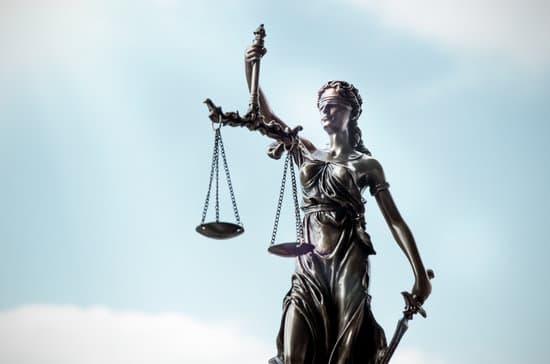
At the heart of our nation’s commitment to equality lies the Equal Protection Clause of the Fourteenth Amendment, which guarantees that no government entity—including courts themselves—shall deny any person within its jurisdiction the equal protection of the laws. This foundational principle ensures that all individuals, regardless of their race, are treated equally by the law. Similarly, Title VII of the Civil Rights Act of 1964 prohibits employment discrimination based on race, color, religion, sex, and national origin.
Yet, despite these clear protections, some courts have begun to veer away from this principle, introducing race-based standards into legal proceedings. For decades, courts have treated litigants differently based on their race. Instead of applying the same rules and standards to everyone, some courts have added extra hurdles, or granted different advantages, depending on a person’s racial identity.
For example, some courts have held that when a Caucasian employee sues for discrimination, the plaintiff is required to plead additional elements related to the case, or have their complaint dismissed. This creates an uneven playing field that compromises the fairness of the judicial system. Allowing race to influence legal decisions themselves undermines the idea that everyone should be judged solely on the facts and merits of their case, regardless of their skin color.
This troubling trend is evidenced in Ames v. Ohio Department of Youth Services, where Mountain States has filed an amicus brief on behalf of our client, Josh Young, to address the dangerous trend of race-based standards creeping into the judiciary. The brief argues that the Equal Protection Clause and Title VII demand a color-blind legal system, where race is never a factor in how a case is decided. Courts must remain impartial and fair, free from the influence of racial identity in legal decisions. Any attempt to introduce race into the decision-making process undermines the fundamental principle that all individuals should be judged solely on the merits of their case.
Join the Fight
Since 1977, MSLF has fought to protect private property rights, individual liberties, and economic freedom. MSLF is a nonprofit public interest legal foundation. We represent clients pro bono and receive no government funding. Make your 100% tax deductible contribution today and join the fight.
Unfortunately, courts have used race in other circumstances. Some judges have assigned class action counsel based on “diversity.” Others have offered litigants oral argument if the attorney is not Caucasian. And most startling, some courts have even begun to say that standards for criminal defendants are different, depending on the race of the individual who’s charged with a crime.
The case of Josh Young, who faced race-based discrimination in his workplace and sought a remedy under Title VII, highlights the real-world consequences of this growing problem. In Young’s case, the court cited his status as a “historically favored” group. This ruling, and others like it, shows how some courts now hold litigants to different standards based on their race. This is unjust and directly violates the constitutional rights guaranteed by the Equal Protection Clause and Title VII.
The legal system must be free from the influence of racial distinctions in every stage of the process—from pleadings to judgments. Mountain States is advocating for the Supreme Court to take a hard look at the practice of using race as a factor in legal decisions, and thus, to reaffirm that the Equal Protection Clause and Title VII stand as independent protections against racial discrimination, ensuring that litigants are judged based on the merits of their case alone.
The Supreme Court has an opportunity here to make a clear and resounding statement that the judicial system must remain committed to the principle of color-blind justice. By addressing the troubling trend of race-based legal standards, the Court can reaffirm its commitment to the ideals of equality and fairness that form the foundation of our legal system.
What’s at Stake?
The implications of allowing race to be considered in legal proceedings are profound. Our country has rejected racism in the administration of justice in nearly every other form—whether it’s discrimination against potential jurors, excluding witnesses due to their race, or rejecting discriminatory sentencing practices, race has no place in judicial decision-making. Here, the court should issue a sweeping opinion stating as much.
